
If you’re asking yourself “how to rent my home out in Minneapolis,” you’re not alone. Minneapolis has strong rental demand, but it also has some of the most detailed rental regulations in Minnesota.
Successfully renting out your home is more than just listing it online.
To help you maximize the potential rent, reduce ongoing expenses, and mitigate risk this guide will walk you through step by step how to rent out your home in Minneapolis.
Step 1: Confirm Your Property Is Eligible to Be Rented
Before doing anything else, verify that your property can legally be rented.
- Zoning: Nearly all single-family homes are eligible to be rented within Minneapolis. But if you are looking at Short Term/AirBNB Style of rental, Minneapolis law limits one of these type of rentals per owner.
- HOA rules: This is the most frequent reason homeowners are not able to convert their property to a rental. Some HOA’s prohibit rentals in their community. To make sure you’re eligible to rent, reach out to your Association Manager or review the HOA’s bylaws
Step 2: Obtain a Minneapolis Rental License
If you want to know how to rent your home out in Minneapolis legally, a rental license is required for most rental properties.
- Apply for a license through the City of Minneapolis Regulatory Services Department. You can access the form here. A temporary license is issued after applying.
- Schedule the property inspection & complete all the updates/repairs the Inspector identifies
- Renew your license annually by March 1st.
- If you complete the city-hosted workshop for Rental Property Owners, you are eligible to save $250 on the conversion fee for a new rental license.
Step 3: Prepare the Property for Rent
In addition to making the house more astehtically pleasing and allowing you to charge a higher rent, preparing your home for rent is the right thing to do.
Everyone deserves a clean and well-maintained place they can call home.
- Deep clean the property thoroughly – rugs, walls, appliances, bathrooms fixtures, appliances, baseboards and windows.
- Make necessary repairs – everything should be in working condition when tenants move in
- Cosmetic repairs like painting may be necessary if their is significant ware & tare
Each situation is unique, and each process around getting a property “rent-ready” is different.
But a good rule of thumb when considering what needs to be updated, what would your expectations be if you were ever to decide to rent a home in Minneapolis?
Step 4: Determine Rent Price and other Rental Requirements
A good market analyis will optimize revenue, and reduce vanacy times.
- Compare your rental properties to others on the market. Zillow’s “Zestimate” is a great starting point to get an idea of what other similar properties are renting for in Minnneapolis.
- Understand your costs – make sure that your rent can cover Principal, Interest, Taxes & Insurance and any additional fixed costs you will be assuming such as water & sewer or other utilities
- Determine tenants responsibilities for internet, trash, lawncare, electricity, water, sewer/trash
- Understand the market trends – Minnneapolis and the surrounding suburbs tend to be seasonal. Busy during the summer months, and slow during winter. By marketing your property during the summer months you’re typically able to fill vacancies quicker and charge a higher rent.
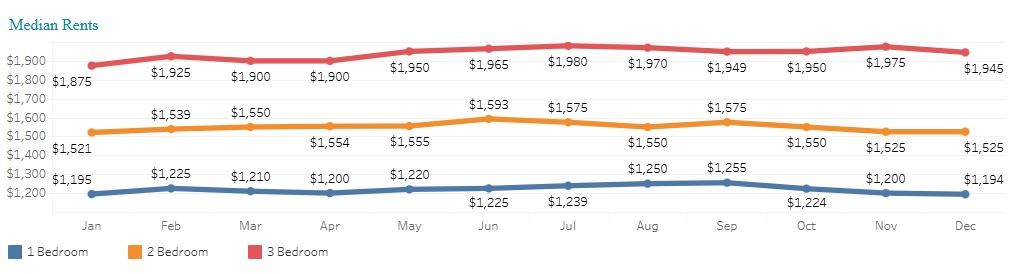
*Source Housing Links Rental Anaylsis detailing the flunctuation in rental pricing by month
Step 5: Create a Strong Rental Listing
As renters shift rental evaluation online, it’s critical to create a strong listing to help reduce turnover and vancies and for you to charge the highest possible rent.
- High-quality photos and maybe consider using other mediums like video as well
- Monthly rent – what will the tenant be paying each month with all the fees included
- Security Deposit amount and any other one time fees – Minneapolis prohibits the security deposit exceeding one months rent
- Rental Details – like square feet, bedroom and bathroom count, heating/AC type, parking, pets, and other ammenities.
- Lease terms offered and when is the property available
- Tenant / screening criteria -3x income, credit score, criminal background etc
- Contact details for prospective tenants to reach out to inquire about the property.
Step 6: Screen Tenants Thoroughly and Fairly
Tenant screening is one of the most important steps when renting out your house in Minneapolis.
- Decide which of the Minneapolis approved screening criteria you are going to follow. Either Inclusive Screening Criteria or the Individual Assesment Option.
- Complete the background check decide on whether you want to do it yourself, outsource to companies like TransUnion SmartMove, or a hybrid
- Due your due dilligence and investigate anything that causes a red flag. With the ever growing presence of AI in our lives, it should come as no surprise that rental application fraud as jumped by 50% in one year.
- Stay compliance with Fair Housing and FCRA Rules
The background check part of the process is where you as a landlord put yourself at the highest risk of potential lawsuits. So make sure that you apply your screening criteria equally and equitably across all potential tenants.
Step 7: Use a Minneapolis-Compliant Lease Agreement
Leases are the contract between you as the landlord and the tenant, so it’s important to do this right.
In addition to the basics like signature, and address it’s important to consider what else to include and how you want to structure you lease.
- Minneapolis provides a template that complies with all local laws and regulations.
- Breakdown of fees and security deposits
- Responsibilities of tenants like lawn care, utilities, and rental insurance requirements, etc
- Notice requirements to vacate
- Usage and behavior clauses such as pet policy, use of premise to restrict for residential use only, occupancy limits
- Acklowedgemnt of lead paint disclosure as required by MN State Law for houses built before 1978
Given the importance of this step, it’s advised to consult an attorney or work with a property manager to ensure you’re protected.
Step 8: Collect and Understand the Security Deposit Process
The tenant’s security deposit is not your money, and a good understanding on what and how this money needs to be held and what responsibilities you have will save you from legal trouble down the road.
- Security deposits must be held according to Minnesota law which includes a simply 1% interest per annum on their security deposit
- Minneapolis limits the amount of a security deposit to one month’s rent
- Deposits must be returned no later then 21 days after the lease has ended
- Itemized deductions are required when deducting from the tenant’s security deposit
Step 9: Manage the Property Proactively
Once the home is rented, landlords must determine how they are going to manage the property and the needs of the tenant.
When renting out your property, it’s important to consider how you will handle:
- Ongoing maintenance and care of the property
- Emergency maintenance requests
- Accurate accounting and record keeping
- Lease enforcment
Final Thoughts: Renting Out Your Home in Minneapolis
Understanding how to rent my home out in Minneapolis requires careful planning, legal compliance, and ongoing management. When done correctly, renting your home can provide stable income and long-term value—but mistakes can be costly.
If you’re considering renting your home and want expert guidance or full-service property management, reach out to us.